What is an AI Agent Builder?
An AI agent builder is a platform that lets enterprises create autonomous digital workers that complete tasks end to end across IT, HR, Finance, and Legal systems. Unlike chatbots, they don’t just answer questions - they execute workflows.
For years, “enterprise AI” meant chatbots that deflected tickets without resolving them. Today’s leaders demand faster deployment, built-in governance, and integrations with core systems like Slack, ServiceNow, and Salesforce. Adoption now depends not on novelty but on replacing repetitive work without adding risk.
Why will AI Agent Builders rise in importance in 2026?
Enterprises can no longer afford pilot projects or bots that stop at FAQs. CIOs expect measurable ROI - fewer tickets, faster SLAs, and compliance baked in. The right AI agent builder delivers this by turning a service desk into a digital workforce; the wrong one adds cost and complexity. The shift is simple but profound: adoption is no longer about who offers the flashiest AI features, but about which platform can safely replace repetitive human work without introducing compliance risk.
The Top 10 AI Agent Builders for 2026
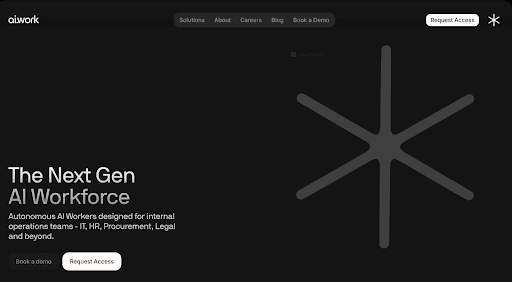
ai.work – Pre-trained AI workers spanning IT, HR, Finance, and Legal. Business users create new skills in plain English, while CIOs get flexibility with bring-your-own LLM options. It stands out by closing tickets end to end instead of escalating them.
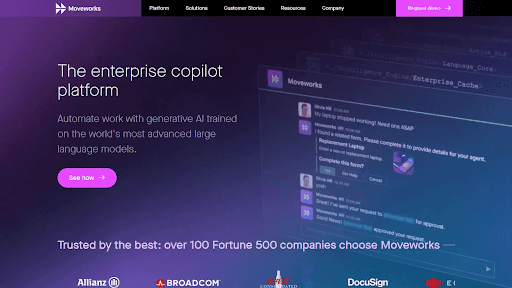
Moveworks – Conversational AI built into Slack and Teams. Excellent at deflecting IT requests through natural language but less effective at orchestrating multi-step workflows.
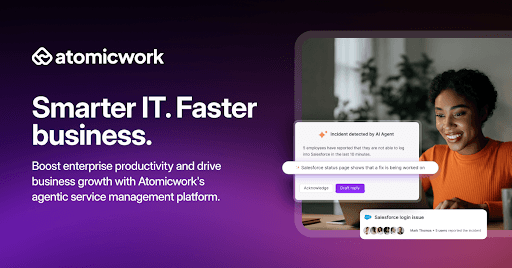
Atomicwork – An AI-native ITSM built primarily for IT teams. Strong at ticket automation but limited outside IT.
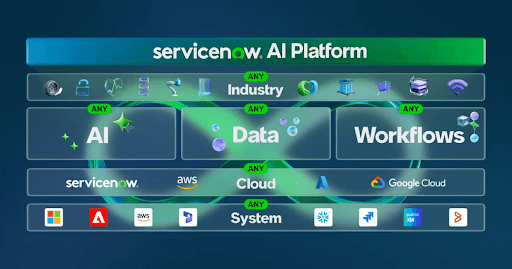
ServiceNow AI – Adds AI on top of ServiceNow’s legacy ITSM. Feature-rich but deployment cycles remain long and resource-intensive.
Espressive – Employee self-service chatbot designed for FAQs. Reduces repetitive questions, but orchestration remains shallow.
Aisera – Broad coverage across IT and customer service. Capable but requires specialized setup that can delay value.
Console – A Slack-first IT agent. Useful for organizations operating entirely in Slack but restrictive for multi-channel enterprises.
n8n – Open-source workflow automation with 400+ integrations. Flexible for developers, but each change requires technical resources.

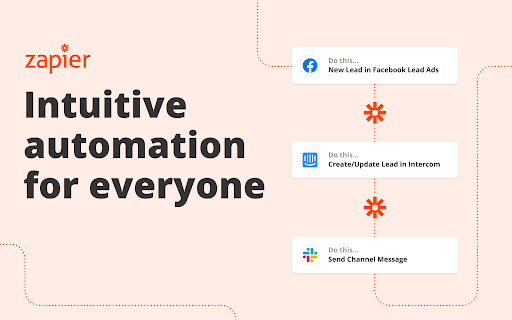
Zapier – Known for app connectivity and “if-this-then-that” flows. Perfect for SMBs but not built for enterprise governance or compliance.
. LangChain frameworks – Toolkits for building multi-agent systems. Great for R&D and experimentation but too raw for production without governance layers.
Across this list, the critical divide is between no-code and low-code. No-code platforms such as ai.work and Espressive allow business leaders to design automations and scale adoption. Low-code tools like n8n or Zapier are flexible but slow because they require developer support for every change. For enterprises, the winning formula is no-code speed combined with governance guardrails.
Regional adoption patterns also shape the market. In North America, compliance certifications like SOC2, HIPAA, and ISO 27001 dominate procurement checklists. In Europe, GDPR drives demand for private hosting and audit logging. In fast-growing markets across EMEA and APAC, speed and cost reduction are paramount, with many companies seeking automation to scale without expanding IT headcount.
So how should decision-makers evaluate these tools? The key questions are:
Can the platform scale beyond IT?
How quickly can it deploy - days or months?
Does it enforce policies and audit trails automatically?
Will it integrate with existing systems?
Can non-technical staff safely evolve it?
If the answer is no to any of these, adoption will lag and ROI will collapse.
Looking across the field, the split is clear. Legacy platforms retrofit AI onto ticketing systems. Developer-first tools shift the burden to technical staff. A small group of purpose-built platforms, led by ai.work, position themselves as true AI workforces: autonomous execution, no-code customization, and built-in compliance.
In 2026, winners will not sell “AI features.” They will deliver digital coworkers who get the job done. Enterprises stuck with chatbots remain stuck in tickets. Those adopting AI Workers will scale lean, compliant, and fast.